Decoding Time Limits on Layered Bonus Claims at British Bookmakers
Written by Vera Schulz · Aug 16, 2026
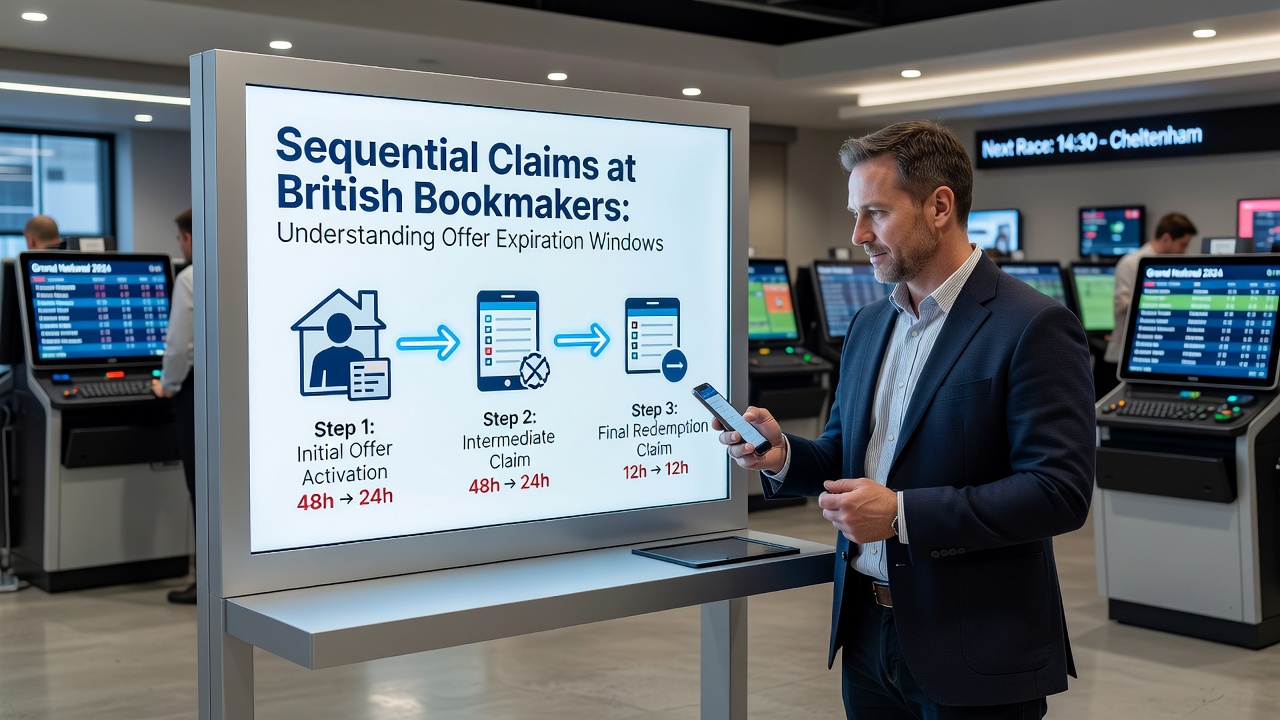
Decoding Time Limits on Layered Bonus Claims at British Bookmakers
Sequential claims involve punters activating multiple bookmaker promotions in a planned order so that each offer meets its own eligibility rules before the next one begins. British bookmakers structure these layered deals around specific expiration windows that range from twenty-four hours to thirty days depending on the terms attached to welcome bonuses, free bet credits, and deposit matches. Observers note that the windows determine whether a customer can complete the required wagering turnover before an offer lapses and resets the sequence.
Core Elements of Sequential Claim Structures
Each promotion carries its own start date, end date, and play-through requirement, which means the order of activation matters. Data from industry reports show that many operators set a seven-day window for initial deposit bonuses while extending the validity of resulting free bets to twenty-eight days. Those who study these patterns find that missing the first window often blocks access to subsequent offers because the account status changes from eligible to restricted once the initial period closes.
Typical Expiration Windows Across Major Operators
Bookmakers publish their windows in the terms section of each campaign, yet the durations vary by product type. Welcome offers frequently expire after thirty days from registration, whereas reload bonuses and cashback deals may reset every weekend. Research indicates that free bet credits issued from a completed first offer usually carry a shorter fourteen-day validity, forcing customers to plan the second claim immediately after the first turnover finishes. Figures from August 2026 reveal that average claim intervals have shortened slightly as operators introduce more time-bound events tied to major sporting calendars.
Customers often discover that the clock on one offer does not pause when another promotion activates, creating overlapping deadlines that require careful tracking. Operators record each claim timestamp automatically, so the system prevents re-entry into a sequence once any window closes. Those who have examined account histories report that failed attempts to meet turnover inside the allotted period simply remove the remaining credit without extending the overall sequence.
Practical Timing Considerations for Layered Offers
Sequential strategies rely on matching the longest window with the highest wagering requirement. A thirty-day deposit bonus might precede a shorter free bet period, allowing the full amount to clear before the next claim starts. Evidence suggests that operators monitor total account activity across all active offers, so exceeding daily limits or violating game-type restrictions can halt the entire sequence regardless of individual expiration dates. In August 2026 several platforms introduced automated reminders sent forty-eight hours before each window closes, although these alerts remain optional and depend on customer notification settings.

Payment method choice influences how quickly funds appear and therefore how soon the next claim can begin. Bank transfers may take three to five business days, which eats into shorter windows, whereas e-wallet deposits clear instantly and preserve the full duration. Studies conducted by independent research bodies indicate that customers using instant methods complete sequential claims at higher rates because they avoid the lag between deposit and bonus credit.
Regulatory Context and Record-Keeping Requirements
Operators must log every claim timestamp and expiration outcome to comply with broader consumer protection rules enforced by various national authorities. A report from the Australian Gambling Research Centre highlights how time-stamped data helps identify patterns of repeated short-window claims that may signal problematic play. Similar record-keeping standards appear in other jurisdictions, where regulators require operators to retain logs for at least twelve months after an offer ends.
Another analysis published by the National Council on Problem Gambling examined how overlapping expiration windows affect player decision-making across multiple sites. The findings show that clear disclosure of each window length reduces disputes when offers lapse before turnover completes. British bookmakers have aligned their systems with these transparency expectations by displaying countdown timers directly on account dashboards.
Conclusion
Sequential claims succeed when customers align each promotion's expiration window with realistic wagering timelines and payment speeds. Operators publish all relevant dates in advance, and automated systems enforce the rules without exception once a window closes. Observers tracking August 2026 trends note that shorter, event-linked windows have become more common while record-keeping standards continue to require precise timestamp documentation. Understanding these mechanics allows structured planning within the published rules rather than reliance on extensions that operators do not provide.