Mapping Deposit Threshold Dynamics in British Operator Incentive Frameworks
Written by Ben Patterson · Jul 8, 2026
Mapping Deposit Threshold Dynamics in British Operator Incentive Frameworks
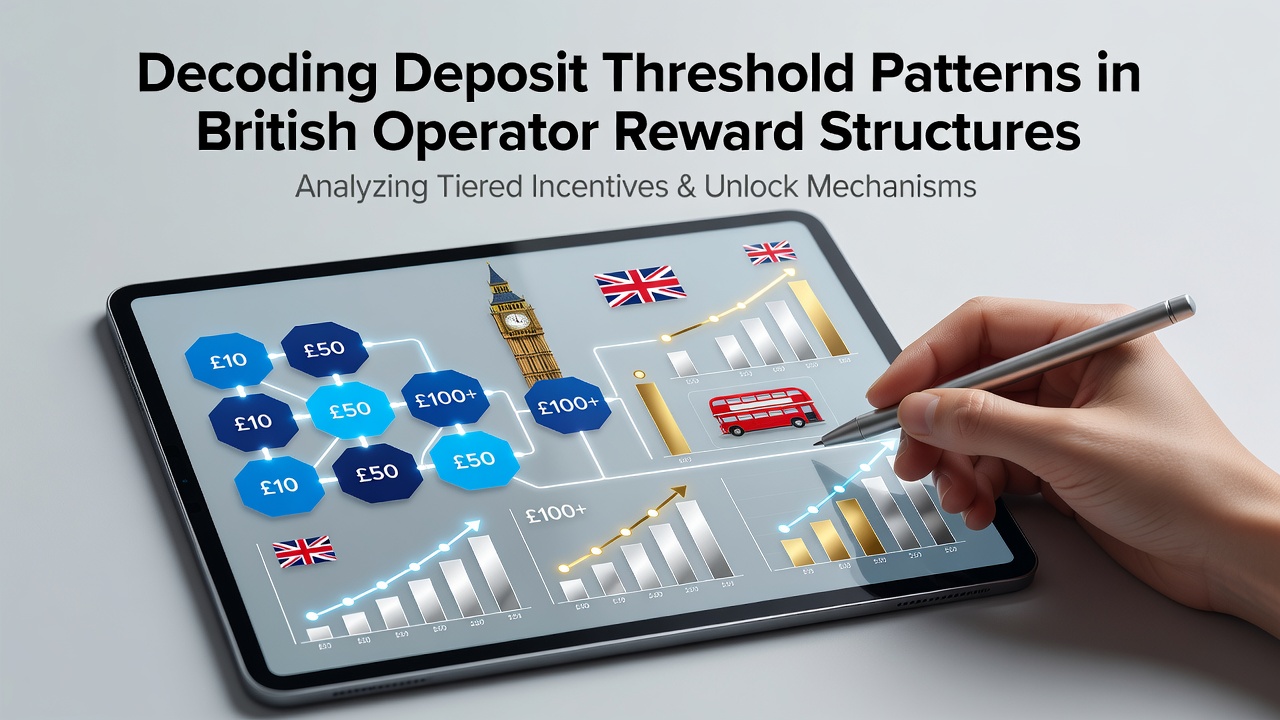
British operators structure reward programs around specific deposit thresholds that determine eligibility for bonuses and promotional credits, and these thresholds follow observable patterns tied to customer acquisition goals and regulatory compliance requirements. Data from industry analyses show minimum deposits commonly cluster at £10, £20, and £50 levels, with operators adjusting these figures based on seasonal demand cycles and player segmentation strategies. Researchers tracking these systems note that lower thresholds attract broader audiences while higher ones correlate with elevated reward values, creating layered incentive models that reward incremental deposits over time.
Core Threshold Structures Across Major Operators
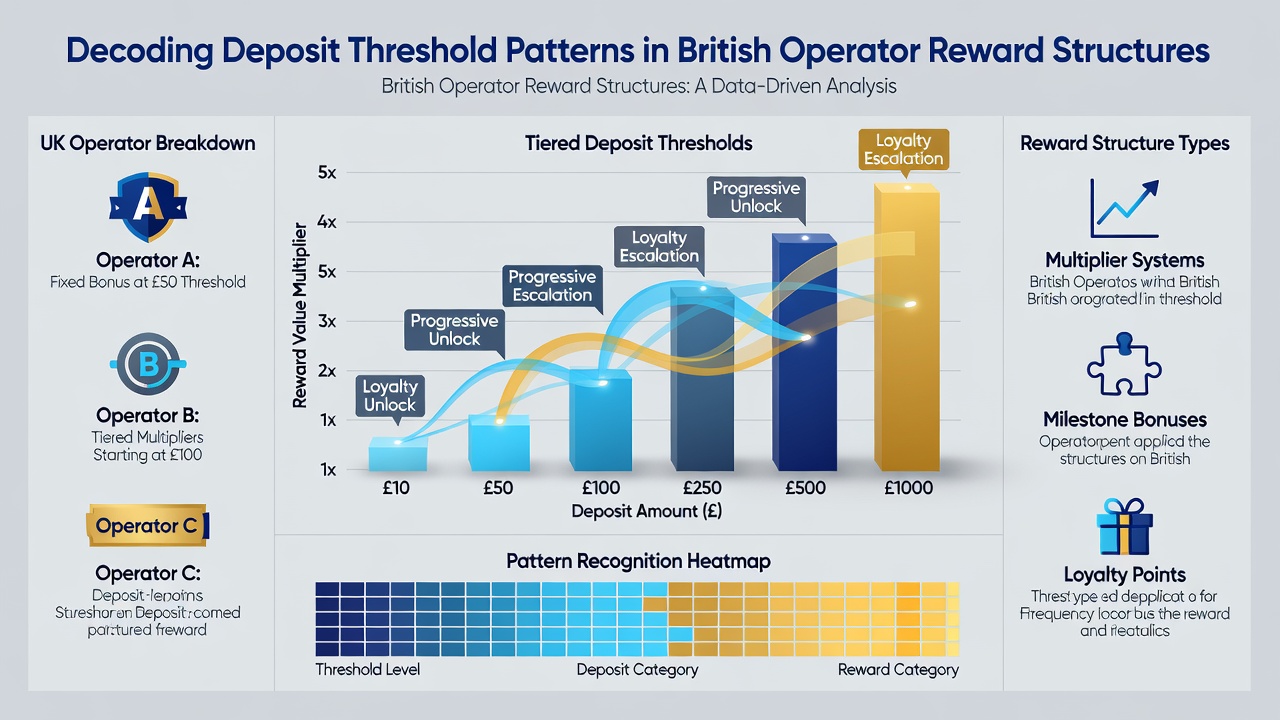
Operators implement deposit minimums as gatekeepers for welcome offers and ongoing promotions, and patterns emerge when comparing structures across leading platforms. Many set a £10 baseline for initial qualification, yet several elevate this to £20 during peak periods such as major sporting events, according to aggregated market reports. This adjustment allows operators to manage bonus liability while maintaining competitive appeal, and those studying the sector find that £50 thresholds often unlock premium reward tiers that include cashback or enhanced free bet allocations. Evidence from operational reviews indicates these stepped thresholds encourage repeated deposits rather than single large transactions, aligning with responsible gambling frameworks enforced through licensing conditions.
Seasonal Adjustments and Market Influences
Deposit requirements shift in response to market conditions, and July 2026 marks a notable point where several operators plan threshold recalibrations ahead of the new financial year. Figures reveal that summer months typically see relaxed £10 minimums to capture casual bettors during quieter sporting calendars, whereas autumn adjustments raise averages toward £25 as football seasons intensify. Analysts examining these cycles point to external factors such as inflation metrics and consumer spending data as drivers behind the changes, and cross-border comparisons with systems in Australia demonstrate similar threshold flexibility during comparable off-peak windows. One study from the Australian Gambling Research Centre highlighted how operators there mirror British patterns by lowering entry points during non-event periods to sustain engagement volumes.
Player Segmentation and Threshold Personalization
British reward architectures increasingly apply personalized deposit thresholds based on player history and risk profiles, and this segmentation creates distinct pathways within the same operator ecosystem. New registrants encounter standardized £10 or £20 gates, while established accounts receive tailored offers that may reduce minimums to £5 for loyalty rewards or increase them to £100 for VIP structures. Data indicates this approach optimizes conversion rates, with operators reporting higher uptake when thresholds match individual deposit behaviors observed over prior months. Regulatory bodies in regions like Canada have documented parallel practices through provincial gaming reports, showing that segmented thresholds help balance commercial objectives with player protection mandates.
Regulatory Context and Compliance Patterns
Threshold designs must align with licensing obligations that emphasize transparency and fairness, and operators document these requirements clearly within terms that specify exact deposit amounts needed for each reward tier. Observers note that failure to meet stated thresholds voids eligibility, prompting many platforms to include real-time calculators that display progress toward qualification. Industry organizations such as the European Gaming and Betting Association have compiled comparative data across member states, revealing that British operators maintain tighter threshold ranges than some continental counterparts yet offer greater reward scaling once thresholds clear. This balance reflects ongoing efforts to standardize practices while accommodating market-specific dynamics.
Impact on Reward Value Calculations
Deposit thresholds directly influence the scale of rewards distributed, and higher minimums generally correspond to proportionally larger bonus amounts or extended validity periods. Patterns show a consistent multiplier effect where a £20 deposit unlocks rewards valued at 100% to 200% of the deposit, whereas £50 entries often trigger 300% equivalents or additional layered benefits. Those examining transaction logs find that operators cap total bonuses relative to deposit size to control exposure, and this relationship holds across multiple promotional cycles. Research from academic sources tracking European gambling economics confirms these correlations, noting that threshold-reward linkages remain stable even as absolute numbers fluctuate with economic indicators.
Future Trajectories and Data Trends
Projections for late 2026 suggest continued refinement of deposit thresholds as operators integrate more granular analytics into reward delivery. Patterns indicate potential movement toward dynamic thresholds that adjust in real time based on account activity and broader market signals, and early implementations already appear in select loyalty programs. Government statistical releases from various jurisdictions underscore the value of such adaptability, with evidence pointing to improved retention metrics when thresholds respond to player data rather than remaining static. Operators continue refining these models to sustain competitive positioning amid evolving consumer expectations.
Conclusion
Deposit threshold patterns in British operator reward structures reveal systematic approaches that balance acquisition, retention, and compliance objectives through tiered minimums and seasonal adjustments. The frameworks evolve in line with market data and regulatory expectations, producing observable consistencies across operators while allowing room for personalization. Continued monitoring through industry reports and academic studies will track how these patterns develop beyond 2026, particularly as technological tools enable finer calibration of incentive mechanics.