Promotional Layering and Its Role in Altering British Punters' Habits
Written by Avery Hansen · Aug 30, 2026
Promotional Layering and Its Role in Altering British Punters' Habits
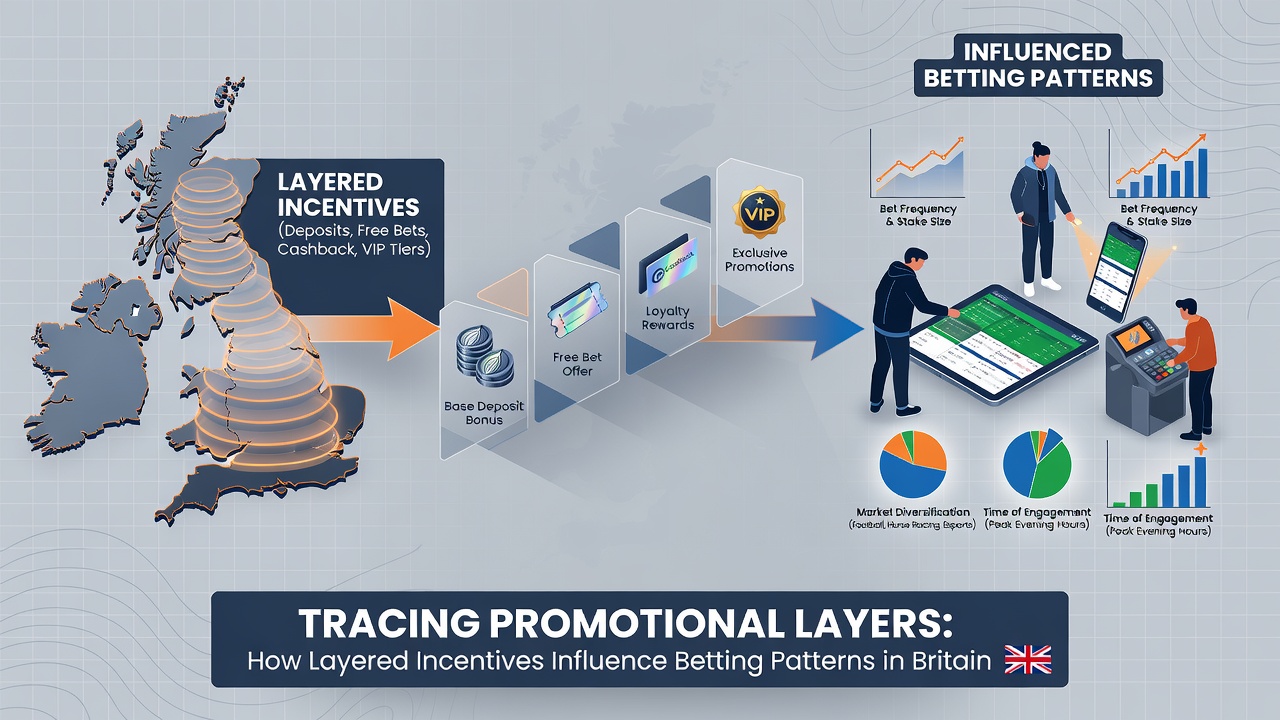
Layered incentives combine welcome bonuses, ongoing free bets, and deposit matches across several operators, and this approach has produced measurable shifts in how participants engage with betting platforms throughout Britain. Observers note that individuals often maintain accounts with multiple sites to accumulate these offers, which in turn affects deposit frequency and the size of individual wagers.
Defining Layered Incentive Structures
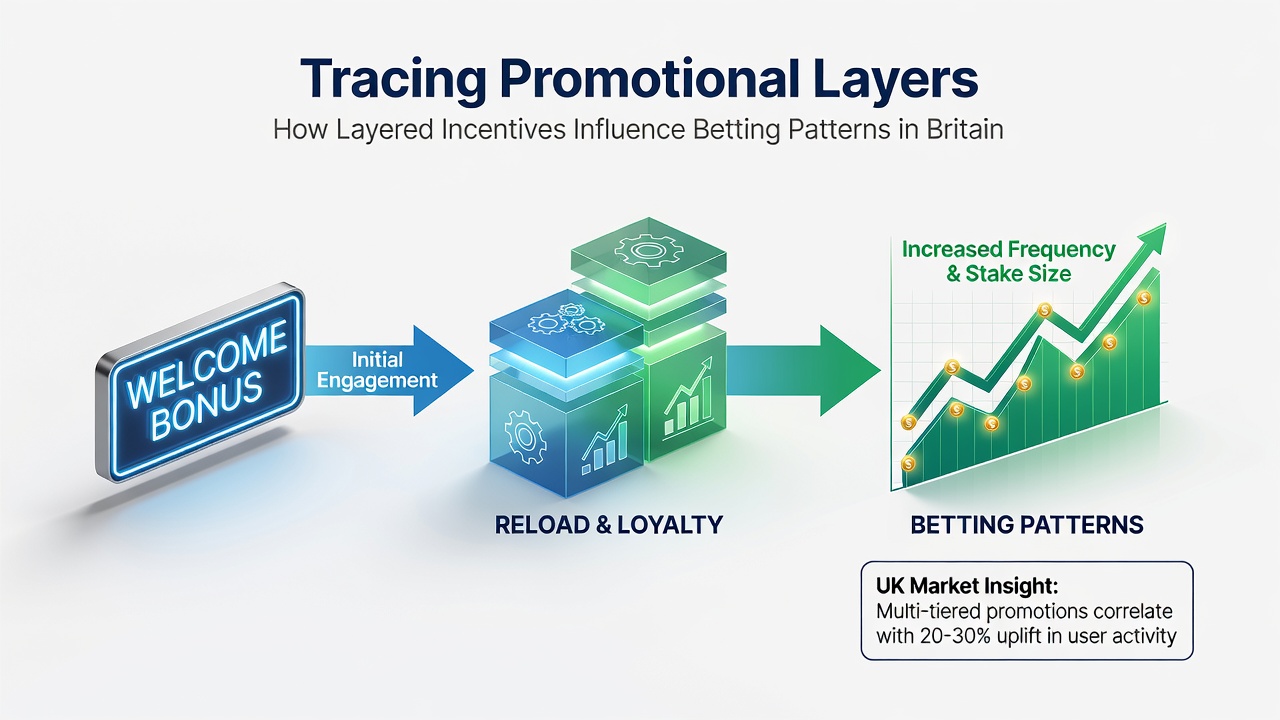
Layered structures arise when users qualify for promotions from one bookmaker while simultaneously meeting requirements from another, creating a cumulative reward that exceeds any single offer. Data from industry analyses reveal that such stacking typically involves initial sign-up bonuses followed by reload deals and cashback arrangements, each tied to specific wagering conditions. Researchers have tracked these patterns through transaction records, finding that participants who activate two or more layers within a single month show higher average deposit counts compared with those who engage with only one platform.
Observed Changes in Betting Frequency and Volume
Evidence gathered from operator datasets indicates that layered promotions correlate with increased betting sessions per week, particularly among users who chase rollover targets across accounts. One study revealed that when total promotional value rises through multiple sources, participants extend their activity into additional markets, such as lower-profile leagues or in-play options, because the combined credits offset potential losses. Figures released in August 2026 by European gambling research bodies show a 12 percent rise in weekly transaction volumes among accounts that reported using at least three concurrent offers during the preceding quarter.
Geographic and Demographic Patterns
Regional breakdowns illustrate that urban centers in England and Scotland record higher rates of multi-account usage, whereas rural participants more often concentrate activity on a single site. Age-related data suggests younger adults aged 25 to 34 activate layered offers at nearly twice the rate of those over 45, leading to distinct spending distributions across age cohorts. Academic papers published by Canadian research institutes link these trends to the accessibility of mobile applications that streamline the process of claiming and tracking multiple promotions simultaneously.
Influence on Sport and Market Selection
Layered incentives frequently include market-specific bonuses that steer activity toward football accumulators or tennis outrights, and transaction logs confirm corresponding increases in those categories. When one operator offers enhanced odds on a particular league while another provides a free bet on the same event, participants tend to allocate larger portions of their bankroll to that fixture rather than spreading wagers evenly. Reports from Australian gambling research centers note similar redirection effects, where promotional alignment produces temporary spikes in volume for featured events followed by normalization once the offers expire.
Account Management Behaviors
Participants who pursue layered rewards develop routines around timing deposits to coincide with bonus release windows, and platform analytics show elevated login rates on days when multiple promotions reset. This behavior extends to the use of separate payment methods for each account to avoid triggering internal flags, a pattern documented in aggregated payment processor data. Observers note that such segmentation can lead to fragmented spending records, making it harder for individuals to maintain an overall view of their monthly outlay.
Conclusion
Layered incentives continue to shape participation metrics across Britain by encouraging multi-platform engagement and altering both the timing and focus of wagers. Available figures point to sustained growth in transaction counts among users who maintain several active promotions, with patterns expected to evolve further as operators refine their offer structures. Continued monitoring by independent research organizations will clarify how these dynamics develop beyond August 2026.